5 Signs Your Roof Needs Replacing Before It’s Too Late
Missing shingles are just the beginning. Learn the subtle warning

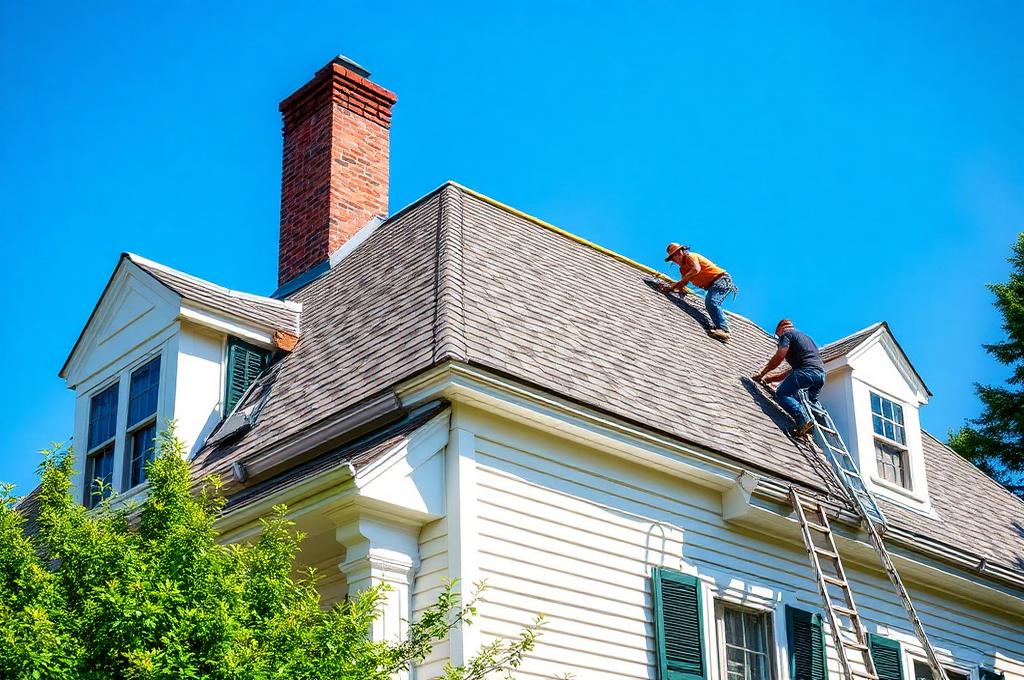
Missing shingles are just the beginning. Learn the subtle warning signs that your roof is nearing the end of its life — and why acting early saves thousands.
Your roof is the single most important barrier between your home and the elements. In Rhode Island and Massachusetts, where nor’easters, ice dams, and heavy snowfall are routine, a compromised roof can lead to catastrophic water damage, mold growth, and structural problems that cost far more than a timely replacement.
The first sign most homeowners notice is missing or curling shingles. After 20–25 years, asphalt shingles begin to lose their protective granules and curl at the edges. If you find granules collecting in your gutters or notice bald spots on your roof, it's a clear signal that the shingles are past their prime. This granule loss exposes the underlying material to UV damage and moisture, accelerating deterioration.
Interior water stains are a red flag that should never be ignored. Brown spots on ceilings, peeling paint near the roofline, or damp spots in the attic all indicate that water is finding its way through your roofing system. By the time you see stains inside, the damage may already be extensive — water travels along rafters and sheathing before dripping down, meaning the leak source could be far from where the stain appears.
Sagging areas on your roofline are a serious structural concern. If you stand across the street and notice dips or waves in what should be a straight roofline, the decking beneath the shingles may be rotting. This is especially common in homes with poor attic ventilation, where trapped moisture slowly destroys the plywood sheathing from underneath.
Daylight visible through the roof boards is an obvious but often-overlooked sign. If you go into your attic on a sunny day and see pinpricks of light, water can get through those same openings. Similarly, check for signs of moisture or mold on the underside of the roof deck — these indicate ongoing water intrusion even if you haven’t noticed interior damage yet.
Finally, pay attention to your energy bills. A roof that's failing often loses its insulating properties, leading to higher heating and cooling costs. If your energy bills have crept up without explanation, poor roof performance may be a contributing factor. Modern architectural shingles and metal roofing systems offer significantly better thermal performance than aging materials.

Missing shingles are just the beginning. Learn the subtle warning

From vinyl to fiber cement, today’s siding options deliver beauty
With heating costs climbing, upgrading to energy-efficient windows is one