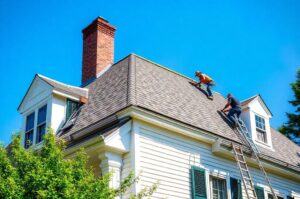
5 Signs Your Roof Needs Replacing Before It’s Too Late
Missing shingles are just the beginning. Learn the subtle warning

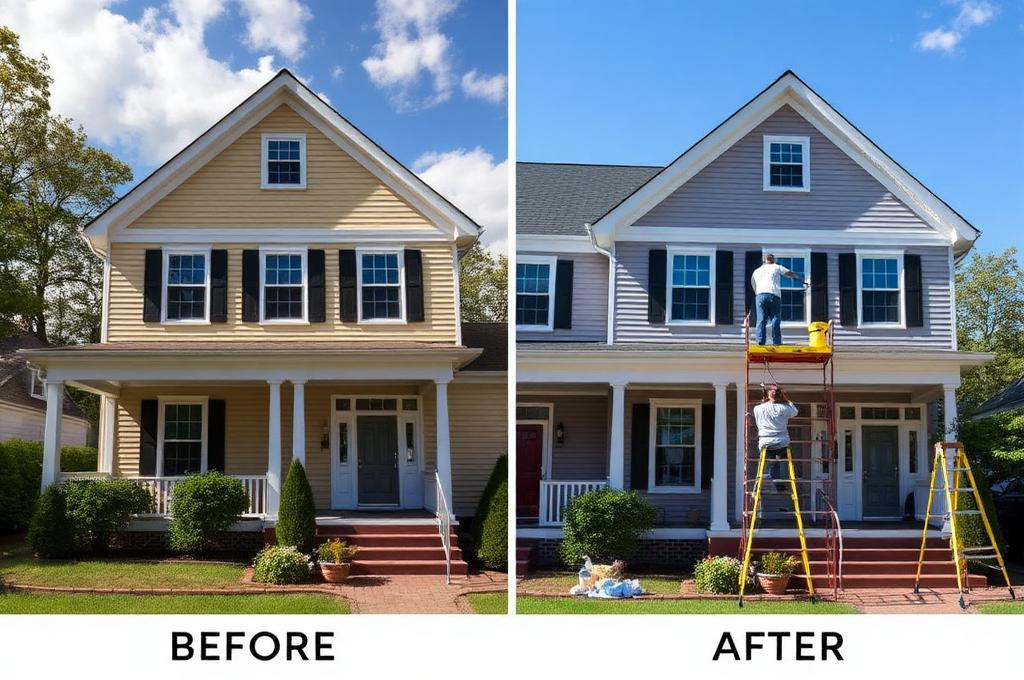
The right color palette can make your home the envy of the neighborhood. Here’s how to choose colors that last and look stunning.
Choosing exterior paint colors is one of the most consequential design decisions a homeowner makes. The colors you select will define your home's personality for 7–10 years, affect its perceived value, and determine how well it harmonizes with its surroundings. In New England — where architectural styles range from colonial saltboxes to Victorian painted ladies — the right palette honors the home's history while expressing the owner's taste.
Start with your fixed elements. Your roof color, stonework, brick, and hardscape aren’t changing, so your paint colors need to work with what’s already there. A warm-toned roof (brown, tan, or terracotta) pairs best with warm body colors. A cool-toned roof (gray, blue-gray, or black) gives you more flexibility but generally looks best with cool or neutral body colors.
The three-color rule is the foundation of successful exterior color schemes. Choose a dominant body color (60% of the exterior), a trim color (30%), and an accent color (10%) for the front door, shutters, or architectural details. This 60-30-10 breakdown creates visual balance and hierarchy. The body color should be the most subdued, the trim should provide contrast, and the accent should make a statement.
In 2026, New England homeowners are embracing deeper, more saturated colors than in years past. Navy blue, forest green, charcoal, and even black are increasingly popular body colors for colonial and cape-style homes. These dark colors create dramatic curb appeal and actually make white trim pop more than traditional lighter body colors do. Don't be afraid of going dark — it's a trend with serious staying power.
Our team can help you with your painting project. Get a free estimate today.
Paint quality matters enormously for New England exteriors. Our climate subjects paint to extreme UV exposure in summer, freeze-thaw cycles in winter, salt air near the coast, and driving rain year-round. Premium paints like Benjamin Moore Aura Exterior or Sherwin-Williams Duration cost more per gallon but last significantly longer and maintain their color better. On a full-house repaint, the difference in paint cost is minimal compared to labor — always choose the best paint you can afford.
Preparation is 80% of a paint job's success. Proper surface prep includes pressure washing, scraping loose paint, filling cracks and holes, priming bare wood, and caulking gaps around windows and trim. Skipping or rushing prep work is the number one reason exterior paint jobs fail prematurely. A professional crew will spend as much time preparing surfaces as they do applying paint — that's how it should be.

Missing shingles are just the beginning. Learn the subtle warning
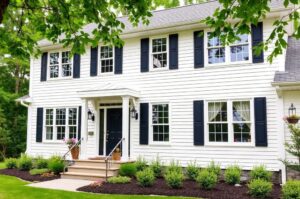
From vinyl to fiber cement, today’s siding options deliver beauty
With heating costs climbing, upgrading to energy-efficient windows is one