Exterior Innovations

Serving Rhode Island & Massachusetts for 20+ Years

(401) 787–3050
    All Insights
    Windows January 2026 7 min read

    Energy-Efficient Windows: A Guide for New England Homeowners

    With heating costs climbing, upgrading to energy-efficient windows is one of the smartest investments a New England homeowner can make.

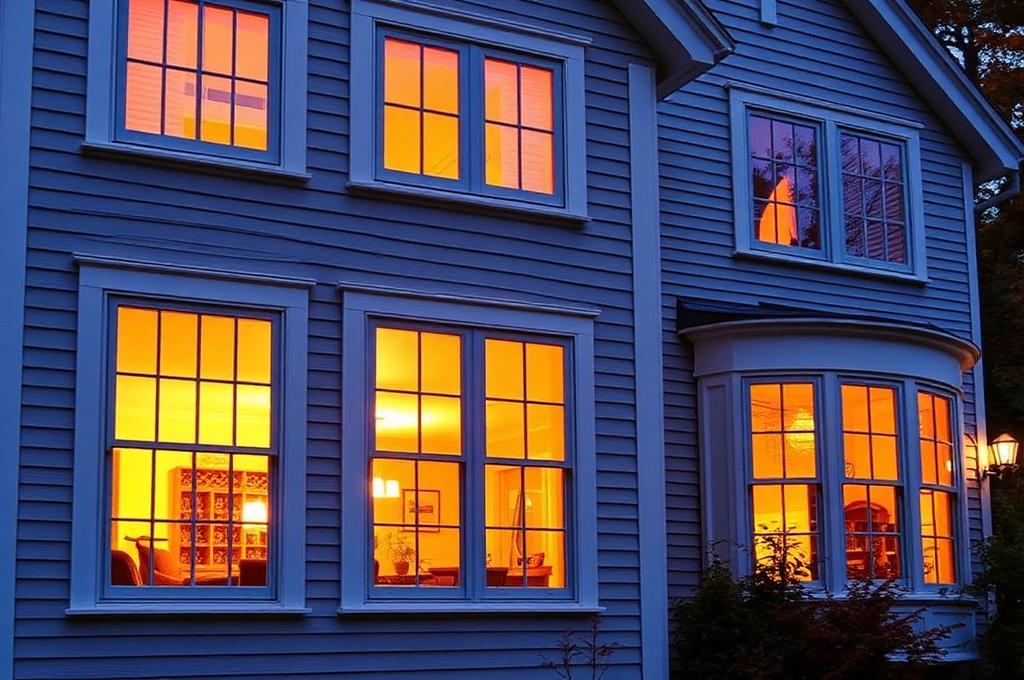
    New England winters are brutal on old windows. Single-pane glass, failed seals, and worn weatherstripping let cold air pour into your home, forcing your heating system to work overtime. The U.S. Department of Energy estimates that heat gain and loss through windows accounts for 25–30% of residential heating and cooling energy use. In our climate, that percentage can be even higher.

    When shopping for replacement windows, the most important metric is the U-factor — a measure of how well the window prevents heat from escaping. For our climate zone, look for windows with a U-factor of 0.30 or lower. The best triple-pane windows achieve U-factors below 0.20, providing exceptional insulation even during the coldest stretches of winter.

    Low-E (low-emissivity) coatings are a game-changer for energy efficiency. These microscopically thin metallic layers are applied to the glass surface and work by reflecting infrared heat back into your home during winter while blocking solar heat gain in summer. Most quality replacement windows now come standard with Low-E coatings, but verify this before purchasing.

    Frame material matters more than most homeowners realize. Vinyl frames offer excellent thermal performance at an affordable price point. Fiberglass frames are stronger and more dimensionally stable, making them ideal for large window openings. Wood frames provide classic beauty but require regular maintenance. Composite frames combine the best properties of multiple materials for premium performance.

    Need Expert Help?

    Our team can help you with your windows project. Get a free estimate today.

    Don’t underestimate the impact of professional installation. Even the best window will underperform if it’s poorly installed. Look for contractors who use spray foam insulation around the frame, proper flashing to prevent water intrusion, and interior trim work that creates an airtight seal. A window is only as good as its installation.

    Federal tax credits and state rebates can significantly offset the cost of energy-efficient window upgrades. Currently, homeowners can claim up to $600 per year in federal tax credits for qualifying ENERGY STAR windows. Check with your contractor about available incentives — they change frequently and can make the difference between a partial and a whole-house window replacement project.

    Share This Article

    More Insights

    Ready to Transform Your Home?

    Get your free, no-obligation estimate today. Our team will visit your property and provide a detailed proposal within 48 hours.
    Scroll to Top