Exterior Innovations

Serving Rhode Island & Massachusetts for 20+ Years

(401) 787–3050
    All Insights
    Seasonal November 2025 8 min read

    Preparing Your Home's Exterior for New England Winters

    Before the first nor'easter hits, take these essential steps to protect your home from ice dams, wind damage, and costly winter repairs.

    Every fall, New England homeowners face the same question: is my home ready for winter? Given the severity of our winters — with average snowfall exceeding 40 inches in most of Rhode Island and Massachusetts, combined with ice storms, high winds, and sub-zero temperatures — the answer to that question can mean the difference between a cozy season and a costly emergency.

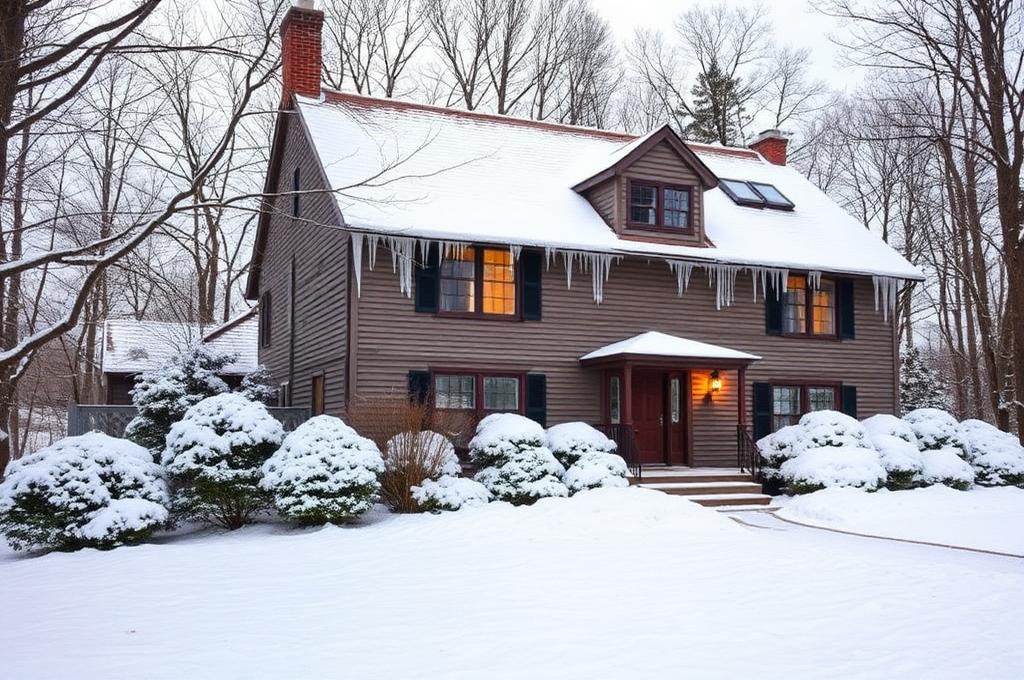
    Start with your roof, the most vulnerable part of your home during winter. Have a professional inspect for damaged, missing, or curling shingles, and make repairs before the first snowfall. Clean your gutters thoroughly — clogged gutters are the leading cause of ice dams, which form when trapped water freezes at the roof edge and forces melting snow under your shingles and into your home. Consider installing heat cables in problem areas if you've experienced ice dams in the past.

    Check your windows and doors for air leaks. Hold a lit candle near window frames and door edges on a windy day — if the flame flickers, you have a leak. Replace worn weatherstripping, re-caulk gaps, and consider adding storm windows to older single-pane units. These simple measures can reduce heating costs by 10–15% and significantly improve comfort during cold snaps.

    Inspect your siding for cracks, gaps, or loose panels that could allow wind-driven rain or snow to penetrate your wall system. Water that enters your walls during winter can freeze, expand, and cause significant structural damage that won’t become apparent until spring. Pay special attention to areas around windows, doors, and where different materials meet — these are the most common failure points.

    Need Expert Help?

    Our team can help you with your seasonal project. Get a free estimate today.

    Your deck needs winter prep too. Clean it thoroughly, check for loose boards or protruding nails, and apply a fresh coat of sealant if it's a wood deck. Move planters and furniture to protected areas, and avoid using rock salt for de-icing — it damages both wood and composite decking. Use calcium chloride-based products instead, or simply shovel regularly.

    Finally, trim any tree branches that hang within 10 feet of your roof or siding. Ice-laden branches are heavy and can snap without warning, causing serious damage to roofing, gutters, and siding. This is also a good time to check that your exterior lighting is working — shorter days and icy walkways make good lighting essential for safety.

    The cost of winterizing your home typically runs between $200–$500 for a basic inspection and maintenance visit. Compare that to the average ice dam repair cost of $3,000–$5,000 or a burst pipe at $5,000–$10,000, and the math is clear: preparation pays for itself many times over. Schedule your fall inspection early — contractors book up fast as winter approaches.

    Share This Article

    More Insights

    Ready to Transform Your Home?

    Get your free, no-obligation estimate today. Our team will visit your property and provide a detailed proposal within 48 hours.
    Scroll to Top