
5 Signs Your Roof Needs Replacing Before It’s Too Late
Missing shingles are just the beginning. Learn the subtle warning

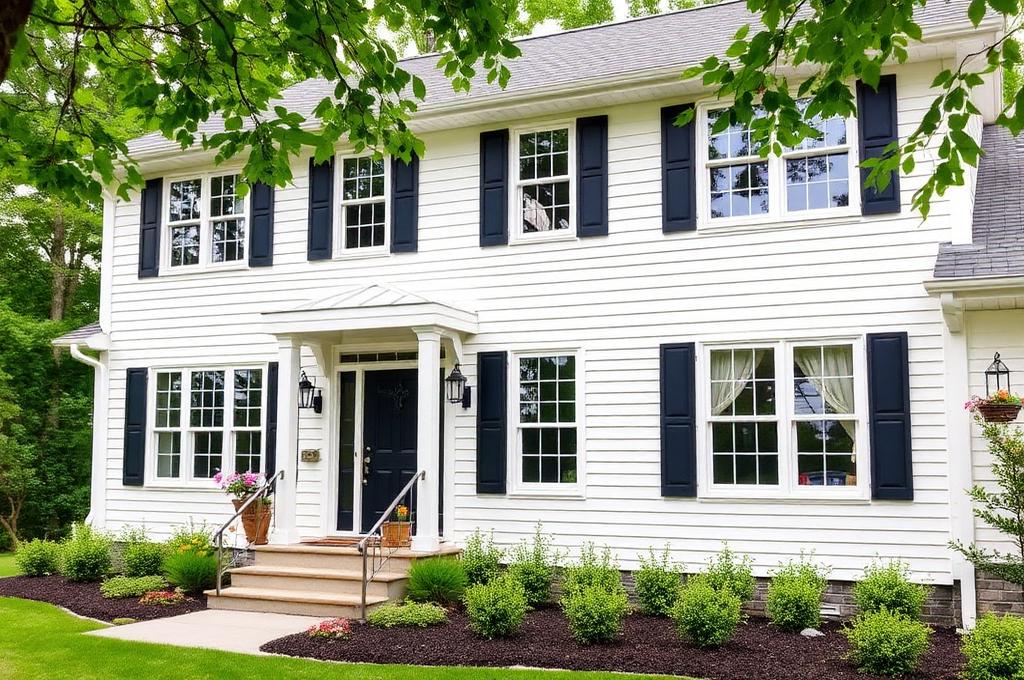
From vinyl to fiber cement, today’s siding options deliver beauty and durability that last decades — here’s what to know before you invest.
First impressions matter. When potential buyers — or even just neighbors — drive past your home, the exterior is all they see. Faded, cracked, or outdated siding doesn't just look bad; it signals deferred maintenance and drags down your property value. New siding is one of the highest-ROI exterior improvements you can make, regularly returning 70–80% of its cost at resale.
Vinyl siding remains the most popular choice in New England for good reason: it’s affordable, low-maintenance, and available in hundreds of colors and profiles. Modern vinyl has come a long way from the thin, easily dented panels of decades past. Premium insulated vinyl siding adds an R-value of up to 4.0, helping reduce energy costs while providing a more substantial feel and better wind resistance.
Fiber cement siding — brands like James Hardie — has become the gold standard for homeowners who want the look of natural wood without the maintenance. It resists rot, insects, fire, and impact, and holds paint significantly longer than wood. While the upfront cost is higher than vinyl, many homeowners find that the 30+ year lifespan and minimal upkeep make it the better long-term value.
Color selection is where the transformation really happens. Today’s trend in New England leans toward sophisticated neutrals — deep charcoals, warm grays, and rich navy blues — paired with crisp white trim and bold accent colors on doors and shutters. A skilled contractor will help you choose a palette that complements your home’s architectural style and the surrounding landscape.
Don’t overlook the details that elevate a siding project from good to stunning. Architectural accents like board-and-batten gable treatments, shake accents in gable peaks, and wide corner boards add dimension and character. These finishing touches are what separate a professional installation from a basic re-side job.
The best time to schedule siding installation in Rhode Island and Massachusetts is late spring through early fall, when temperatures are ideal for proper installation. Planning your project during the winter months — when contractors have more availability — can often mean better pricing and priority scheduling for spring installation.

Missing shingles are just the beginning. Learn the subtle warning
From vinyl to fiber cement, today’s siding options deliver beauty

With heating costs climbing, upgrading to energy-efficient windows is one